


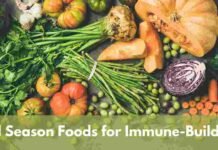


As the arrival of fall and new crop harvests fill grocery stores and farmers markets with colorful bounty, these seasonably plentiful foods can help add taste and nutrition to weekly meals. Nutritionists are recommending many fresh-from-the-fields produce this fall, including apples pears pumpkins, sweet potatoes, Brussels sprouts mushrooms winter squash and pomegranates. All of these foods are naturally loaded with fiber, vitamins, and minerals, and various plant nutrients that may be part of a healthy diet.
The apple is one of the most easily recognizable fruits of the season. Apart from supplying fiber, apples are a source of plant chemicals, like polyphenols, specific types of antioxidants found in nature (namely quercetin). Consuming the edible skin of the apple will supply extra beneficial compounds. An apple is also convenient as a food source, as it can be easily included in day to day cuisine. It can be added to cereal mix or eaten as a quick snack.
Pears is another classic fall fruit highly recommend by nutrition experts, providing fiber, vitamin C potassium as well as polyphenol antioxidants. Naturally sweet, they can be used in various ways that equally pair well with sweet and savory ingredients, like in breakfast bowls or salads. The research and nutrition experts also focus on the significance of the peel containing a significant high level of polyphenols.
Pumpkin and winter squash provide some of the most iconic fall colors to our plates. Orange shades of Pumpkin and other varieties of winter squash are largely due to carotenoids present in the flesh, like beta-carotene, which the human body is able to convert into vitamin A. Pumpkin and other winter squashes like butternut, acorn, and delicata are a good source of fiber and other nutrients. These are common in soups, roasted creations, grain bowls, and even breakfast.
Sweet potatoes an additional autumn staple to include in your fare is sweet potatoes. With their complex carbs, fiber, and beta-carotene, they are obviously somewhat of a superfood compared to other sources of carbohydrates and are versatile to serve anywhere from in a mash to roasted or in soup.
Nutrition also has an eye on Brussels sprouts. These tiny cruciferous vegetables provide fiber, vitamin C and plant compounds linked to antioxidant activity. Roasting them boosts the naturally sweet, caramelized flavor or toss shredded Brussels sprouts on salads for a bit of crunc.
Another way to bring some variety to meals this fall is by using mushrooms. Mushrooms pack different nutrients and phytochemicals and also can deliver a tasty savory flavor. The texture of mushrooms can be a contributor to the overall craveability of soups, pasta dishes, casseroles, and dishes designed to diminish demand for meat.
A) Pudge (ate in December 2023) pomegranates are known for their bright color and unique sweet-tart taste. The ruby red seeds are loaded with polyphenols such as anthocyanins and also add some fiber. These seeds can be sprinkled on salads yogurt roasted vegetables or grain bowls for flavor.
Additional fall options are cranberries, kale, beets, parsnips, rutabaga, and persimmons. Nutritionists say more than one “superfood” is important, and encouraging folk to eat more than one local vegetable is better than zero local foods. Variety, bringing in different nutrients and plant compounds from many vegetables and fruits is key.
Eating seasonally if foods are in season then it may be easier to eat healthily. As fruits and vegetables are at their natural best during their season, it is more likely that they will taste good. The selection of seasonal foods locally may also be cheaper.

